When is vegetation clearance needed? From safety reasons on construction sites to creating biodiverse ecosystems, read our comprehensive guide on the benefits.
Before Building or Construction Work
Overgrown areas can block machinery, vehicles, and workers from safely reaching the construction site. Clearing the vegetation ensures that construction work can begin smoothly without any obstacles in the way.
Additionally, stumps, roots and dense plant growth can make the ground uneven or unstable, which can affect the foundation of any new structure. Removing vegetation helps create a solid base and reduces the risk of issues like subsidence or shifting.
In some cases, vegetation clearance can also be required for legal or environmental reasons. Certain regulations may apply if protected species or trees are present, so it’s important that clearance is carried out by professionals who understand the local laws and regulations. Vegetation clearance before construction ensures the site is ready for development and helps avoid unnecessary risks and delays.
For Farming or Garden Use
Whether you're starting a new garden, expanding a farm, or simply maintaining your land, clearing unwanted growth ensures the area is safe, healthy, and ready for productive use.
Weeds, brambles, and scrublands can quickly take over open spaces, reducing the soil quality and making it harder for new plants to grow. Clearing this vegetation allows farmers and gardeners to improve their soil conditions and give new plants the best chance to thrive.
In farming, vegetation clearance helps prepare the land for ploughing, planting, and harvesting. Removing bushes, trees, and thick grass makes it easier to use the machinery and reduces the risk of damage. Clearing vegetation also creates a safer working environment for farm workers and ensures they have better control over pests and invasive weeds.
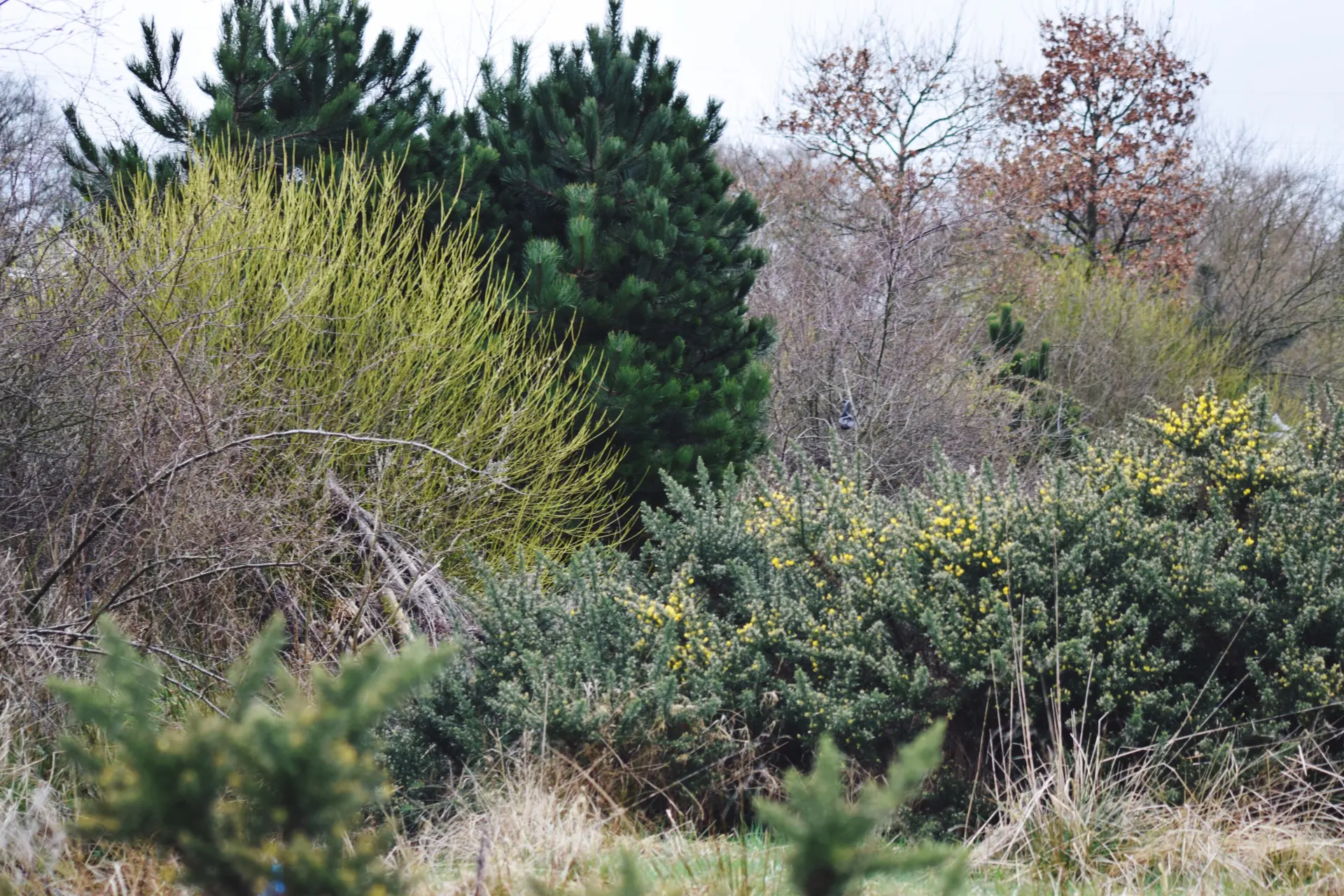
Vegetation clearance in gardens helps to create clean, usable spaces for planting, landscaping, or building patios, sheds and greenhouses. Removing unwanted plant growth also helps improve the look and accessibility of the garden, making it easier to manage.
Vegetation clearance is a vital process that helps manage and maintain natural habitats while promoting biodiversity. Removing excessive plant growth helps create space for native plants, crops, and flowers, which in turn benefit the local wildlife.
This practice encourages healthy ecosystem development, controls invasive species, and minimises the risk of wildfires during dry periods.
To Keep Land Safe and Tidy
Overgrown areas can hide holes, sharp objects, or uneven ground, making it unsafe for people who are walking or working in the area.
This is especially important in parks, footpaths, public spaces, and near roads, where visibility and safe access are essential. Clearing vegetation also reduces the risk of fires, especially during dry weather, as dry plants and weeds can easily catch fire and spread quickly.
Vegetation clearance also helps control invasive weeds like Japanese knotweed and hogweed, which can damage buildings and harm the local wildlife. Clearing dense growth also removes shelter for pests such as rats and insects, helping to reduce the risk of infestations.
By clearing the overgrowth, these areas become less appealing to pests, helping to reduce their presence and protect nearby homes, businesses, or crops. Overall, vegetation clearance is essential for health and safety. Whether it’s for private property, farmland, or public land, regular vegetation maintenance helps create safer, more attractive spaces.
To Control Pests and Weeds
Vegetation clearance is an important part of land management, especially when it comes to controlling pests and weeds. Overgrown land provides the ideal conditions for unwanted plants and harmful pests to thrive. Without regular clearance, these issues can quickly get out of hand and affect gardens, farmland, public spaces, and even buildings.
Weeds such as Japanese knotweed, Himalayan balsam, and giant hogweed are invasive weeds that can cause serious damage to the environment. These plants grow quickly and often outcompete native plant species, which reduces biodiversity and affects the local wildlife.
Some weeds, like Japanese knotweed, can even damage property by growing through concrete and building foundations. Vegetation clearance helps to remove these weeds before they spread, keeping the area under control and preventing long-term damage.
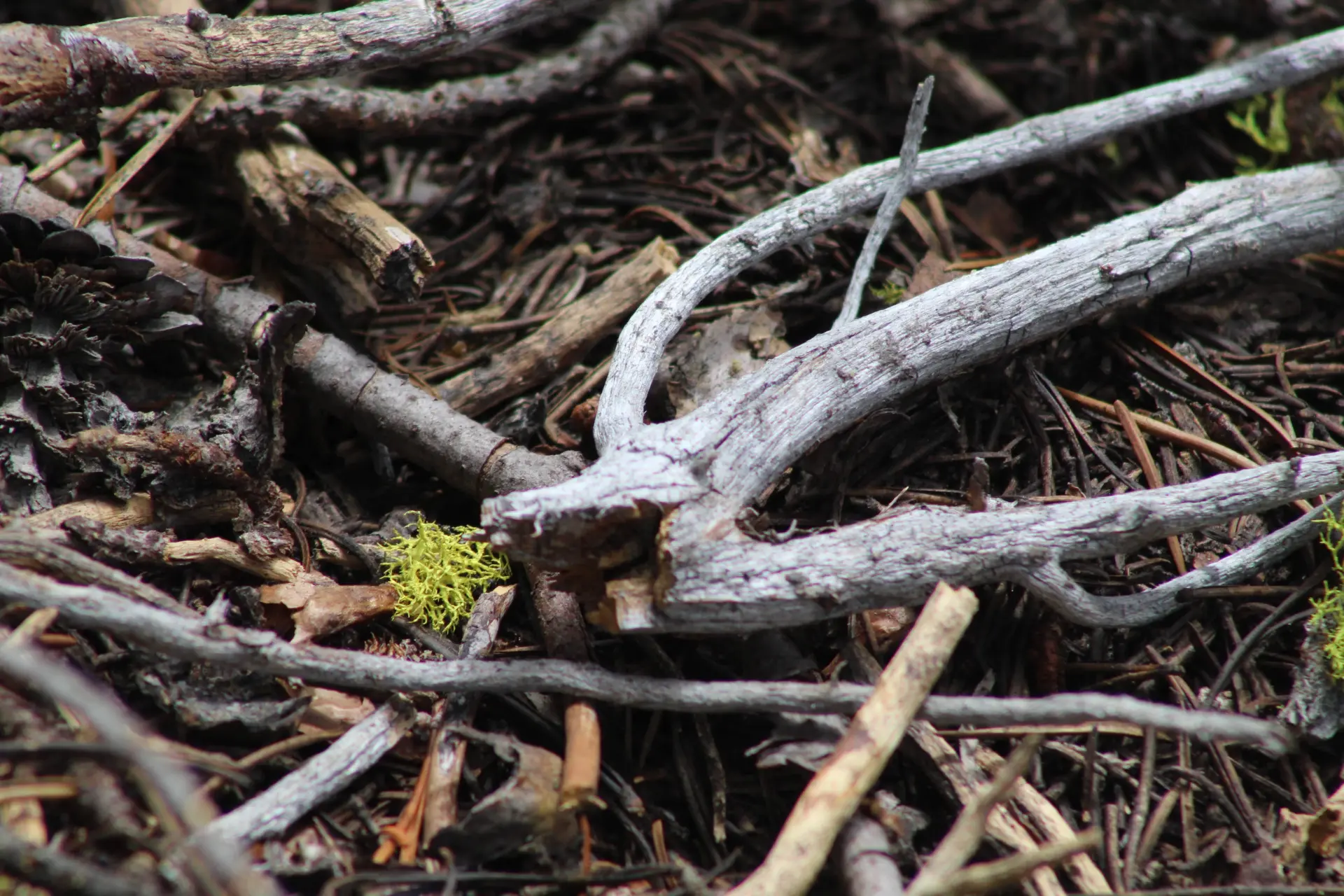
Overgrown areas also attract rats, mice and insects. These pests use thick vegetation for shelter and nesting, which makes them harder to remove.
In rural areas, this can affect crops and livestock, while in urban areas, it can lead to health risks and property damage. Clearing dense or unmanaged vegetation removes the shelter that these pests rely on, helping to remove them naturally.
Tom Harnden Professional Tree Surgeons provides professional vegetation clearance services in Malvern, Ledbury and Worcester to help keep your land safe, tidy, and well-managed. We can remove overgrowth, invasive weeds, and unwanted plants to keep your property safe, support biodiversity, and reduce the risk of pests and fires.