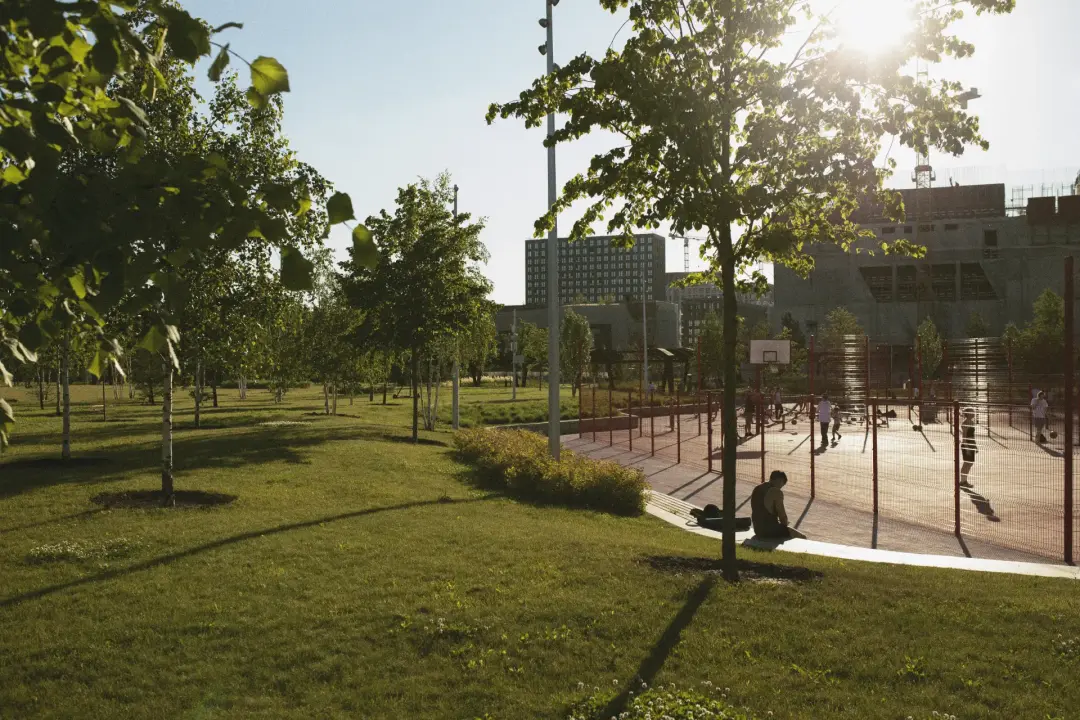
Secure your school grounds with comprehensive Tree Risk Assessments for Schools. Detect hazards early, plan maintenance, and ensure safety
What Is a Tree Risk Assessment?
A tree risk assessment examines a tree, its condition and the area around it to determine the chance of harm. It considers whether parts of the tree could fail, what they might strike and how serious the result could be.
The process is not limited to finding visible defects. It also looks at how the site is used. A tree beside a busy playground, entrance or classroom may require closer attention than one in an area that is rarely visited. The same defect can therefore create different levels of risk in different locations.
An assessment normally starts with a visual inspection. The person carrying it out may examine the trunk, branches, roots, surrounding soil and overall shape of the tree. They may look for dead wood, cracks, cavities, fungal growth, root movement or changes in the crown.
In some cases, further investigation may be recommended. This could include a climbing inspection, testing of internal wood or examination of roots. These methods should only be used when they are necessary and suitable.
Why Schools Need Regular Tree Assessments
The condition of a tree changes over time. Growth, ageing, disease, storms and nearby construction can affect its strength. Roots may be damaged by digging, vehicles or new surfaces. Branches may die back, become overloaded or develop cracks. Regular assessment helps identify these changes before they become more serious.
Assessments also allow work to be planned. When concerns are found early, pruning or monitoring can often be arranged during school holidays. Without regular checks, a problem may only become known after a branch falls or a tree starts leaning, leading to emergency closures and higher costs.
A planned system helps schools use their budgets responsibly. It separates urgent safety work from lower-priority maintenance and avoids unnecessary action on trees that remain safe.
Regular assessment also supports clear responsibility. Staff can understand who carries out routine observations, when a specialist should be contacted and who checks that recommended work has been completed.
Common Tree Hazards on School Grounds
Tree hazards can affect people in several ways. Falling branches are among the most obvious concerns, particularly when dead, cracked or storm-damaged limbs extend over busy areas. Large branches may also fail where two stems join poorly or where decay has weakened the wood.
Whole-tree failure is less common but may have more serious consequences. Root decay, disturbed soil, waterlogged ground and damage caused by construction can reduce stability. A new lean or movement around the base may require urgent professional attention.
Low branches can create different problems. They may block paths, reduce visibility or cause head injuries. Dense growth may make it difficult for staff to supervise pupils. Thorny branches or sharp broken ends can also cause cuts.
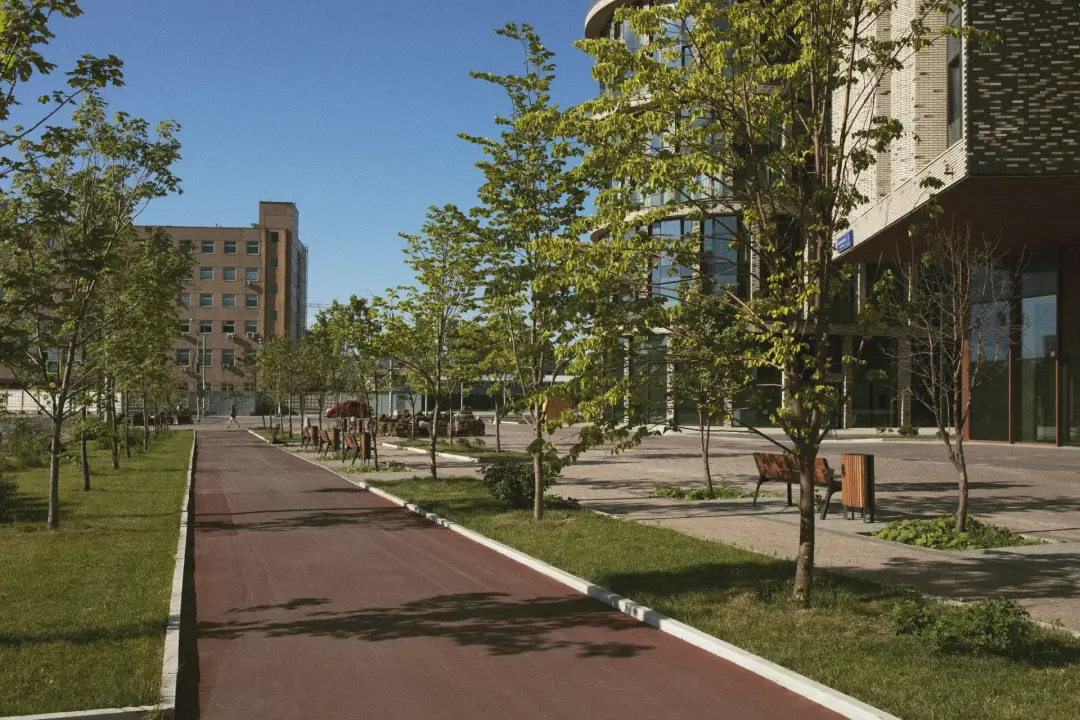
Roots may lift paving and create uneven surfaces. This is especially important near entrances, accessible routes and play areas. Roots can also affect drains, walls and lightweight structures. Cutting them without advice may make the tree less stable.
Some hazards are linked to the tree’s condition rather than immediate failure. Weak or damaged branches may be attractive to children who want to climb. Cavities may contain insects or wildlife, while fruit, seeds and fallen leaves can make hard surfaces slippery.
Trees may also obstruct lighting, security cameras, signs or emergency access. These concerns should be assessed carefully rather than treated as automatic reasons for heavy pruning.
Signs That a Tree May Be Unsafe
Several warning signs may suggest that a tree requires professional assessment. A newly developed lean is one of the clearest concerns, especially when it appears after a storm or when the soil has lifted on one side of the trunk. A tree that has leaned naturally for many years may be stable, so recent change is important.
Cracks can appear in trunks, branches and the joints between major stems. Deep cracks, widening gaps and splits that continue into the main structure may indicate weakness. Freshly exposed wood can suggest that movement has taken place.
Dead branches should also be noted. They may lack leaves during the growing season, have brittle twigs or show peeling bark. Large dead limbs above occupied areas may require prompt action. Broken branches caught in the crown can be difficult to see from below but may fall later.
Fungal growth around the base, roots or trunk can be linked to decay. The meaning depends on the type of fungus and the part of the tree affected, so specialist identification may be needed.
Other possible signs include cavities, hollow areas, loose bark, damaged roots, thinning leaves and sections of the crown dying back. Sudden changes in leaf colour or growth may indicate stress, although they do not always mean that failure is likely.
Assessing Trees Near Playgrounds and Paths
The assessment should examine branches above play equipment, seating, gates, storage areas and waiting points. Large dead branches, damaged limbs and weak joints may require closer inspection. The specialist should also consider whether children can reach unstable branches or access parts of the tree that are unsuitable for climbing.
Paths should be checked for root-related damage. Raised paving, cracks and uneven surfaces may create trip hazards or restrict wheelchair access. The response should protect both people and the tree. Cutting major roots can cause decay or instability, so alternatives such as flexible surfacing, path adjustment or raised sections may be safer.
The ground around the tree is also important. Repeated foot traffic can compress soil and damage shallow roots. Play surfacing or new structures may alter drainage and reduce the space available for growth. These changes should be considered during the assessment.
Visibility may be another concern. Low or dense branches can block supervision lines, signs and lighting. Limited pruning may improve visibility without harming the tree.
Checking Trees After Storms and Strong Winds
Trees should be checked after severe storms, strong winds or unusually heavy rainfall. These conditions can break branches, loosen roots and expose weaknesses that were not previously visible.
The first check should focus on obvious hazards. Staff may look for fallen branches, hanging limbs, split trunks and trees that have changed position. Soil around the roots may appear cracked, raised or disturbed. Newly exposed roots can suggest movement below ground.
The inspection should be completed from a safe location. Staff should not stand beneath damaged branches or approach a tree that is leaning towards buildings, paths or power lines. Any uncertain area should be closed until a qualified person can examine it.
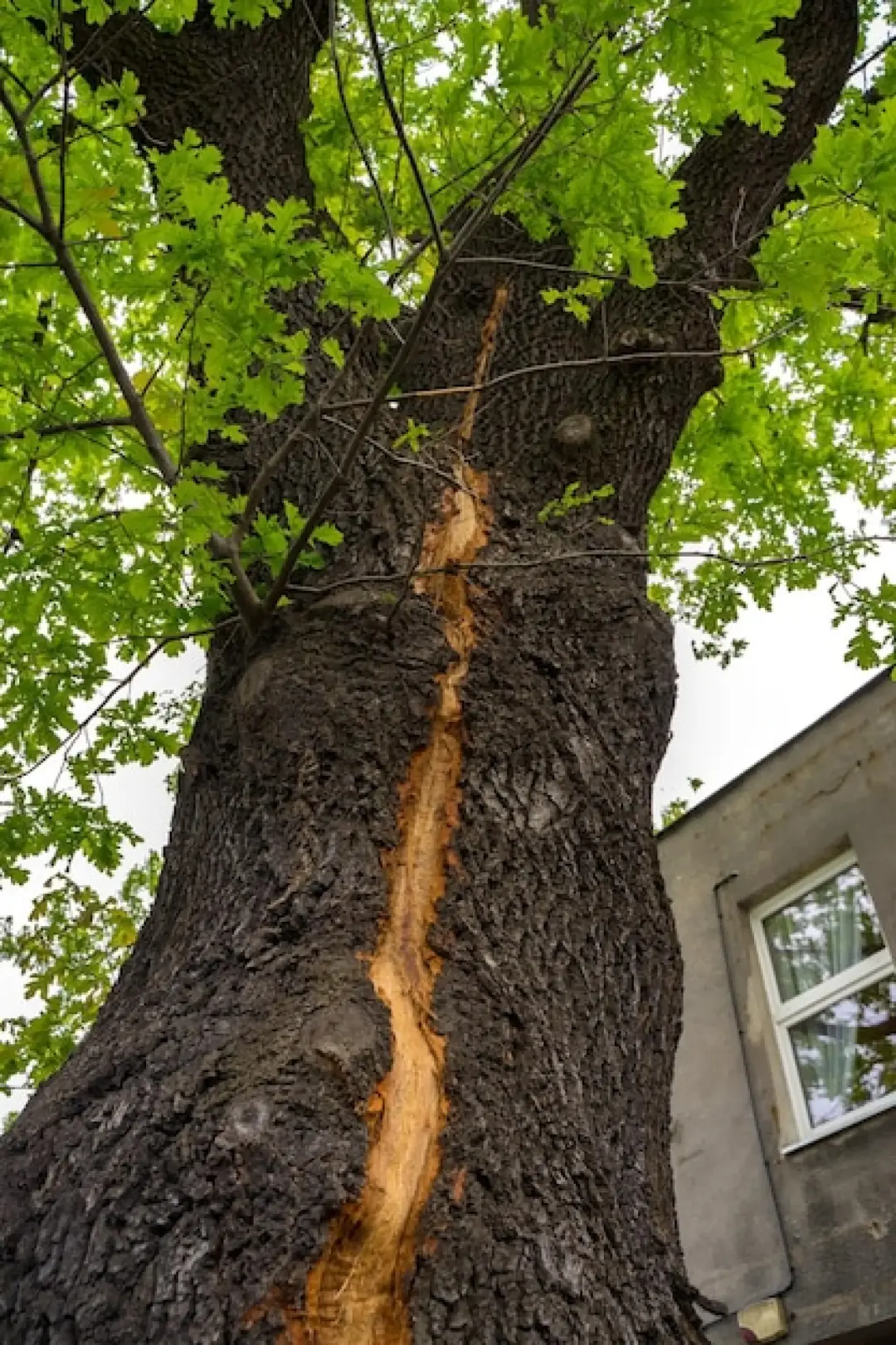
Some storm damage may not be obvious. A branch can crack internally while remaining attached, and root movement may occur without the tree falling immediately. Large trees in high-use areas may therefore need professional inspection after serious weather, even when no major damage can be seen from ground level.
The school should have a clear process for reporting and responding to storm damage. This should include contact details for a suitable tree contractor and instructions for closing outdoor areas. Staff responsible for opening the site should know what to check before pupils arrive.
Photographs can support the record, but they should only be taken from a safe place. The school should note the weather event, observations, restrictions and advice received.
How Often Should School Trees Be Inspected?
Trees near playgrounds, entrances, car parks and classrooms may require more frequent attention because failure could affect more people. Trees in quiet boundaries or restricted areas may need less frequent checks, provided their condition remains stable.
Schools can use more than one type of inspection. Routine visual observations may be completed by a trained member of staff as part of normal site checks. These observations can identify obvious changes such as broken branches, a new lean or storm damage.
More detailed inspections should be carried out by a competent tree professional at intervals based on the site’s level of risk. The specialist may recommend a shorter review period for particular trees with known defects. Healthy trees in lower-risk locations may be placed on a longer cycle.
Additional checks should take place after events that may alter tree condition. These include major storms, flooding, nearby excavation, vehicle impact and changes to paths or buildings. Reports from staff or members of the public should also lead to further investigation where appropriate.
Who Should Carry Out the Assessment?
The person carrying out a tree assessment should have the knowledge and experience needed for the level of inspection. Not every check requires a specialist, but significant decisions should be made by someone who is properly qualified.
School staff can complete basic visual checks if they have received suitable training and clear guidance. Their role is usually to notice obvious changes, record concerns and report them. They should not be expected to diagnose decay, judge complex structural faults or carry out detailed climbing inspections.
A qualified tree consultant or experienced tree specialist should complete formal risk assessments. They should understand tree biology, common defects, failure patterns and methods of risk management. They should also be able to explain findings in language that school leaders can understand.
Schools should ask about qualifications, professional experience and insurance. It can be helpful to request examples of similar work completed for schools, public sites or other busy locations.
What Happens After a Risk Is Found?
The report should give each action a level of priority or target date. School leaders should review these timescales and make sure urgent recommendations are not delayed by normal purchasing processes. Where funding approval is required, temporary controls should remain in place until the work is completed.
Possible actions include pruning, reducing the weight of a branch, removing dead wood or installing a suitable support system. In some cases, changing how an area is used may reduce exposure. A bench, play feature or pathway could be moved away from the tree.
Removal may be recommended when a serious fault cannot be managed safely in another way. Before work begins, the school may need to check planning controls, wildlife requirements and access arrangements.

The chosen contractor should receive the full work instruction. This should identify the correct tree and describe the required action accurately. The contractor should not be asked to decide from a brief verbal description.
After the work, the school should confirm that the recommendation has been completed. Photographs, invoices and completion notes should be added to the record. Any further inspection date should also be entered into the schedule.
If the school decides not to follow a recommendation, the reason should be recorded and supported by suitable advice. Ignoring a known risk without a clear basis could leave pupils and others exposed to preventable harm.
Keeping Tree Inspection Records
Each tree, or group of similar trees, should have a clear reference. This may be a number linked to a site map. The record should make it easy for another person to identify the correct location without relying on memory.
The inspection entry should include the date, assessor’s name and type of check completed. It should describe relevant findings, including the location of any defect. Photographs can be helpful, particularly when they show changes over time.
Recommendations should be recorded in a way that supports action. The entry should state what is required, who is responsible and when it should be completed. A simple status field can show whether the task is open, arranged or finished.
Supporting documents should be stored with the record. These may include professional reports, contractor quotations, permissions, safety documents and invoices. Records of access restrictions and emergency responses should also be kept where relevant.
The school should review outstanding actions regularly. A report placed in a file but not checked again may offer little protection. Reminders or scheduled reviews can help prevent deadlines from being missed.
Planning Tree Work Around School Hours
Major work is often best completed during school holidays or weekends. This reduces disruption and gives contractors more freedom to use machinery and secure a suitable area. However, the school should still consider clubs, staff working on site and public access.
Where work must happen during the school day, the contractor should provide a clear plan. The working zone should be separated with secure barriers, not only signs or lightweight tape. Access routes for pupils, staff and emergency services must remain safe.
Vehicle movements should be agreed in advance. Large trucks, lifting equipment and wood chipping machines may need space near entrances or service routes. Deliveries and collections should be timed to avoid the busiest parts of the day.
Noise can affect teaching and may be particularly difficult for pupils who need a quieter environment. The school should consider lesson times, examinations and planned outdoor activities when agreeing the schedule.
Staff should receive clear information before work starts. They need to know which routes are closed, when the work will take place and whom to contact if conditions change.
Creating a Long-Term Tree Safety Plan
A long-term tree safety plan helps the school manage risks consistently rather than responding only when damage becomes obvious. It connects inspections, maintenance, record keeping and future improvements.
The plan should identify all significant trees or groups of trees on the site. Each entry should include a location and basic information that supports future checks. Trees in busy areas should be marked as higher priority.
The plan should set out inspection responsibilities. It should explain which checks can be completed by school staff, when professional assessments are needed and what should happen after storms or reports of damage.
Recommended work should be placed on a clear programme. Urgent tasks must be separated from routine maintenance and longer-term improvements. This allows the school to plan budgets and arrange work during suitable periods.
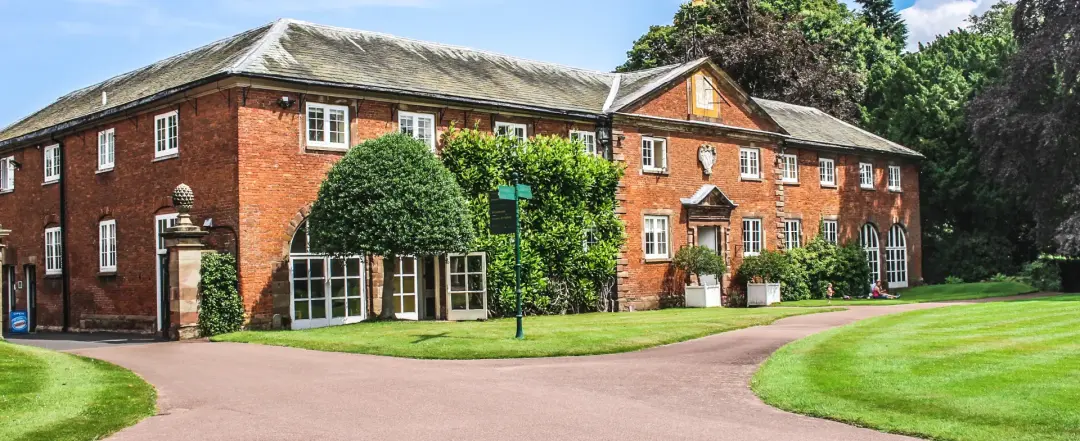
The plan should consider changes to the site. New buildings, paths, fences and play equipment can affect roots or increase the number of people beneath a tree. Tree advice should be included early in project planning rather than requested after construction has started.
Replacement planting is also important. Where trees are removed, suitable new trees can protect the long-term quality of the grounds. Species and locations should be selected with their mature size, roots and maintenance needs in mind.
The plan should name the staff member responsible for reviewing records and confirming that actions are complete. It should also include contact details for professional support and emergency work.
At Tom Harnden Professional Tree Surgeons, you'll find a whole host of tree surgery-related services to help preserve your outdoor spaces and keep them in the best possible condition. We offer tree care for Malvern, Ledbury and Worcester. Give our talented arborist a call today!