Managing Dangerous Trees on School Land is crucial for safety. We assess risks, identify signs of instability and provide expert advice to keep pupils, staff & visitors protected.
Understanding the Risks of Dangerous Trees
A dangerous tree is one that has a fault or weakness that could cause injury, damage or disruption. The risk may come from the whole tree falling, a large branch breaking away, roots lifting a path or damaged wood dropping into an area used by pupils. The level of danger depends on both the condition of the tree and its location.
For example, a damaged tree in a remote corner of a large field may present a lower risk than a similar tree beside a busy entrance. Schools should therefore consider how often people use the area, how close the tree is to buildings and whether children may climb, play or gather beneath it.
Not every visible defect means that a tree is about to fail. Trees can survive for many years with cavities, dead branches or unusual shapes. However, these features may require professional assessment, especially when they appear close to areas of regular activity.
Risk can also change over time. Severe weather, construction work, changes in drainage, soil compaction and damage from vehicles may weaken a tree that was previously considered safe. Fungal decay and root problems can develop slowly without being obvious from a distance.
Common Signs That a Tree May Be Unsafe
School staff should know the main warning signs that may suggest a tree needs closer inspection. One sign is a newly leaning trunk, particularly if the soil around the base appears lifted, cracked or disturbed. A long-standing lean may be natural, but a recent change can suggest root movement or instability.
Large dead branches are another concern. They may appear dry, bare or broken, with missing bark and no leaves during the growing season. Hanging branches that are caught in the crown can fall without warning and should be reported promptly.
Cracks in the trunk or major branches may also indicate weakness. Some cracks are minor, while others extend deeply into the wood or appear where two large stems join. Cavities, areas of soft wood and sections of missing bark can be signs of damage or decay.
Fungal growth around the trunk or roots may need attention. Mushrooms and other fungal structures do not always mean that a tree is dangerous, but some fungi are linked to internal or root decay. A qualified person should identify the issue rather than relying on appearance alone.
Other signs include damaged roots, exposed roots, broken branches, sudden leaf loss, thinning foliage and sections of the crown dying back. Loose bark, holes created by pests and fluid leaking from the trunk may also require investigation. Staff should not attempt to diagnose the tree themselves. Their role is to notice changes, keep people away when necessary and report concerns through the school’s agreed safety process.
Why Regular Tree Inspections Matter
Plenty of inspections help schools find developing problems before they lead to an accident or costly emergency. Trees are living structures, so their condition changes with age, growth, weather and the surrounding environment. A tree that appeared healthy several years ago may now have damaged branches, weakened roots or signs of disease.
Periodic inspections create opportunities to identify faults early. A small damaged branch may be removed safely during planned work, while leaving it unchecked could allow it to become unstable above a busy path. Early action can often be simpler, less disruptive and less expensive than emergency work.
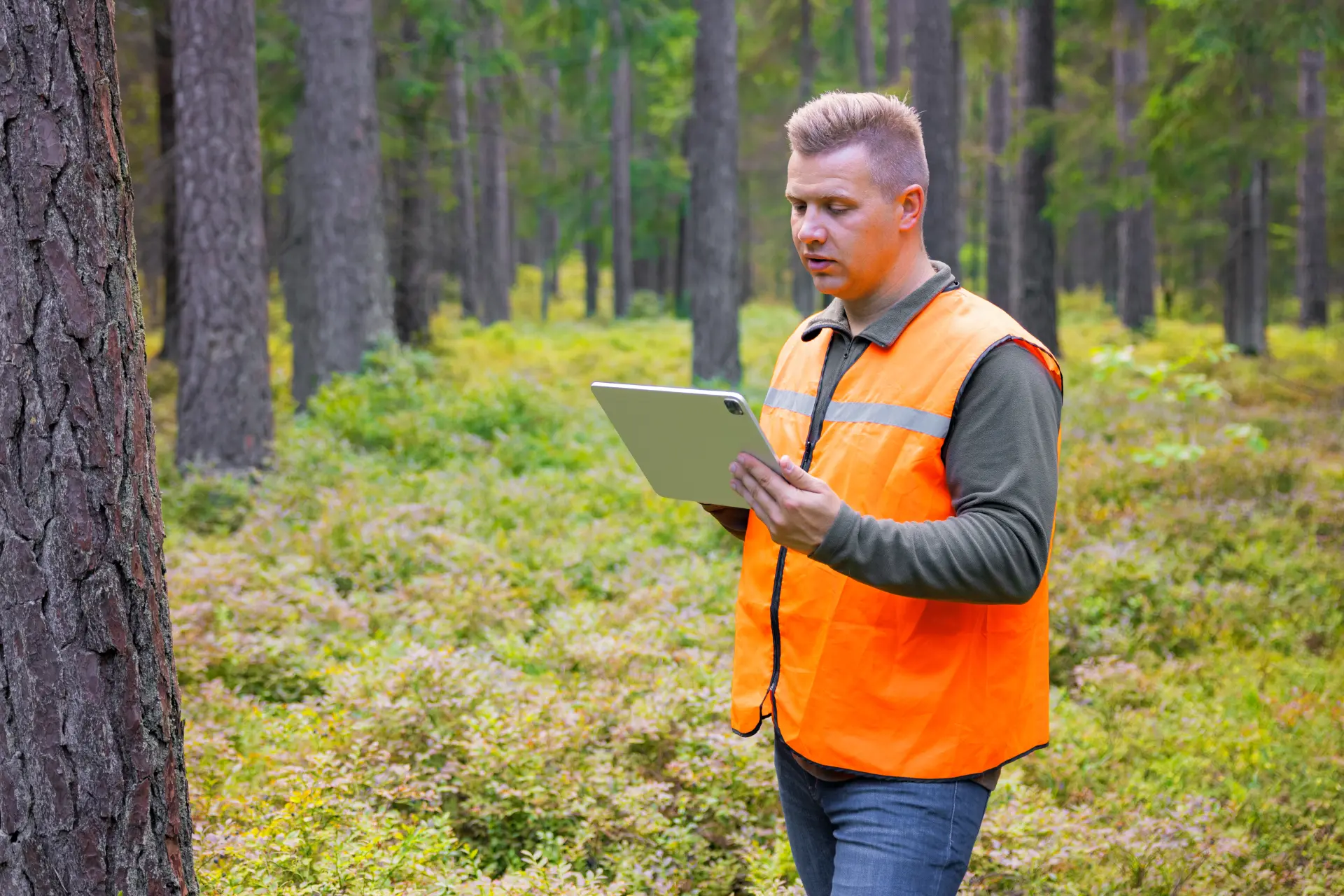
Inspections also help schools understand which trees require professional attention and which can continue to be monitored. This prevents resources from being spent on unnecessary work. It also supports the retention of mature trees that remain safe and valuable.
The inspection process should reflect the level of risk. Trees beside playgrounds, entrances, car parks, classrooms and public paths shall need closer attention than trees in locations with limited access. Checks may also be needed after severe storms, construction work or reports of visible damage.
Inspections demonstrate that the school is taking reasonable steps to manage foreseeable risks. Records can show when checks took place, what was found and how any concerns were addressed.
Protecting Pupils, Staff and Visitors
Protecting people begins with understanding how different groups use the school grounds. Pupils may behave in ways that adults do not expect. They may climb trees, pull on low branches, hide behind trunks or gather beneath trees during breaks. Younger children may also be less able to recognise danger or follow temporary warning signs.
Staff should consider trees near classrooms, outdoor teaching spaces, waiting areas, entrances and sports facilities. Visitors may not know the school layout or understand which areas are restricted. Clear barriers and signs may therefore be needed when a tree creates an immediate concern.
When damage is noticed, the first step should be to control access. This may involve closing part of a playground, moving a queueing area, placing secure barriers around the tree or directing people along a different route. Lightweight tape alone may not be enough where children could easily pass underneath it.
The school should then arrange a suitable inspection. Urgent concerns, such as a split trunk or hanging branch over a busy area, should be treated quickly. Less serious matters may be added to a planned work schedule.
Managing Trees Near Playgrounds and Paths
Trees beside playgrounds and paths require careful management because these areas are used regularly and may remain busy for long periods. A branch failure in a remote part of the grounds may be unlikely to affect anyone, but the same failure above a play area could have serious consequences.
Inspections should consider branches that extend over climbing frames, seating, gates, cycle stores and routes between buildings. Dead, damaged or weak branches may need further assessment. Particular attention should be given to branches with cracks, poor joins or signs of decay.
Roots can also affect safety. As roots grow, they may lift paving, damage edging or create uneven surfaces. This can cause trips, affect wheelchair access and make it harder to move equipment safely. Cutting roots without professional advice can harm the tree and reduce its stability. A safer solution may involve adjusting the path, changing the surface or raising sections around the roots.
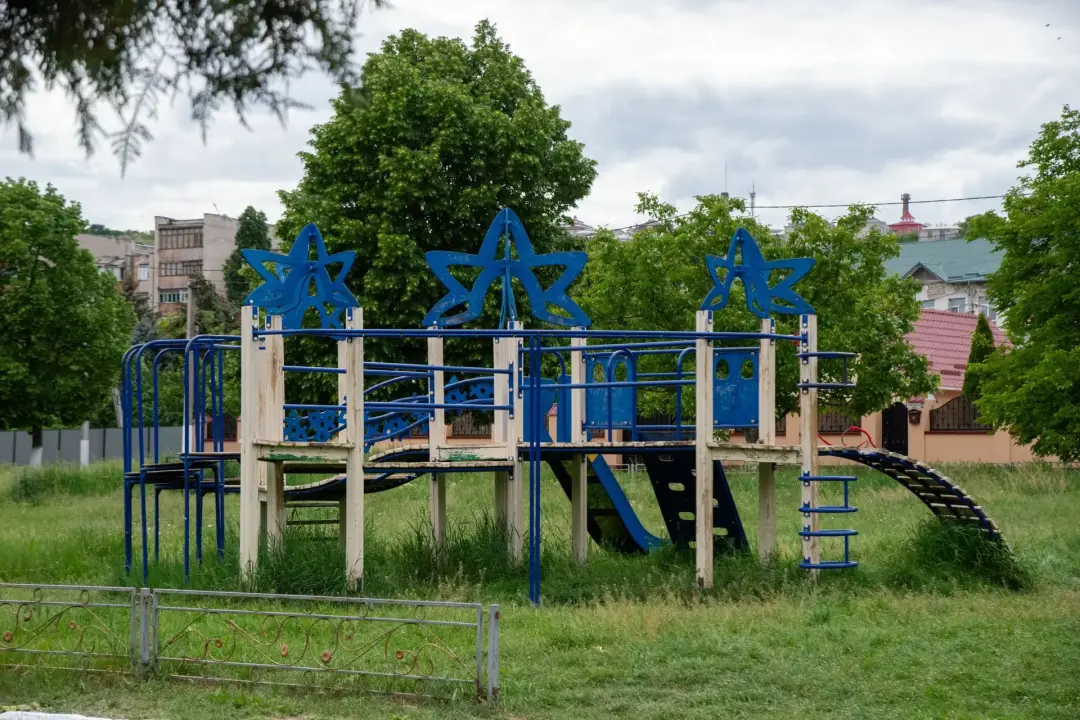
Soil conditions around playground trees should also be monitored. Heavy use can compress the soil, limiting the air and water available to roots. Protective surfacing, fencing or changes to foot traffic may help reduce further damage.
Schools should discourage children from climbing trees that have not been assessed or intended for climbing. Low branches may also obstruct sight lines for supervising staff.
Management decisions should consider both safety and the value of the tree. Shade and contact with nature benefit pupils, so removal should not be the automatic response. Careful pruning, improved surfaces, barriers or changes to how an area is used may control the risk while allowing the tree to remain.
Dealing With Storm-Damaged Trees
After severe weather, staff should complete a careful visual check before pupils return to affected outdoor areas. They should look for fallen branches, hanging limbs, newly leaning trees, cracked stems and disturbed soil around the roots. Checks should be carried out from a safe distance, especially where branches remain suspended.
Any area beneath a damaged tree should be closed immediately. Staff should not try to pull down hanging branches, cut large limbs or move heavy fallen wood unless they are trained and equipped to do so. Damaged trees can move unexpectedly, and branches under tension may spring back when cut.
A qualified tree surgeon or tree consultant should assess significant damage. The assessment may find that the tree can be made safe through pruning or support work. In other cases, extensive root movement, trunk failure or major structural damage may mean removal is necessary.
Storm damage should also be photographed and recorded. The school should note the date, affected location, temporary controls and professional advice received. Insurance providers may require evidence when buildings, fences or vehicles have been damaged.
When Tree Pruning Is Needed
Pruning may be needed to remove unsafe growth, improve clearance or support the long-term health and structure of a tree. It should be carried out for a clear reason rather than as a routine attempt to make every tree smaller or more even.
Safety-related pruning may include removing dead branches above paths, reducing the weight of a damaged limb or cutting away branches that have split during a storm. Pruning may also be needed where branches block lighting, signs, gates or important views used for pupil supervision.
Branches growing close to roofs, windows and overhead services may require attention. However, touching branches are not always dangerous, and excessive cutting can create new problems. Poor pruning can leave large wounds, encourage weak regrowth and place the tree under unnecessary stress.
The type and amount of work should be set out clearly. Terms such as crown lifting, crown reduction and crown thinning describe different methods and should be used accurately in work instructions. A qualified tree professional can recommend the least harmful option that achieves the required result.
The timing of pruning matters. Some trees respond better during certain seasons, and wildlife may be using branches, cavities or dense growth. Checks may be needed for nesting birds, bats and other protected species before work begins.
When Tree Removal May Be Necessary
Tree removal may be necessary when the risk cannot be reduced to an acceptable level through pruning, barriers or changes to how the area is used. It may also be required when a tree is dead, severely unstable or affected by advanced decay.
The decision should be based on a professional assessment. Visible damage alone does not always justify removal, especially for mature trees that provide important environmental and educational benefits. A specialist may be able to confirm whether the tree can remain safely with limited work or continued monitoring.
Removal may be recommended when the root system has failed, the trunk has split, major structural sections are decayed or the tree has suffered damage that cannot be repaired. Trees that are likely to fall towards classrooms, playgrounds or public roads may require urgent action.
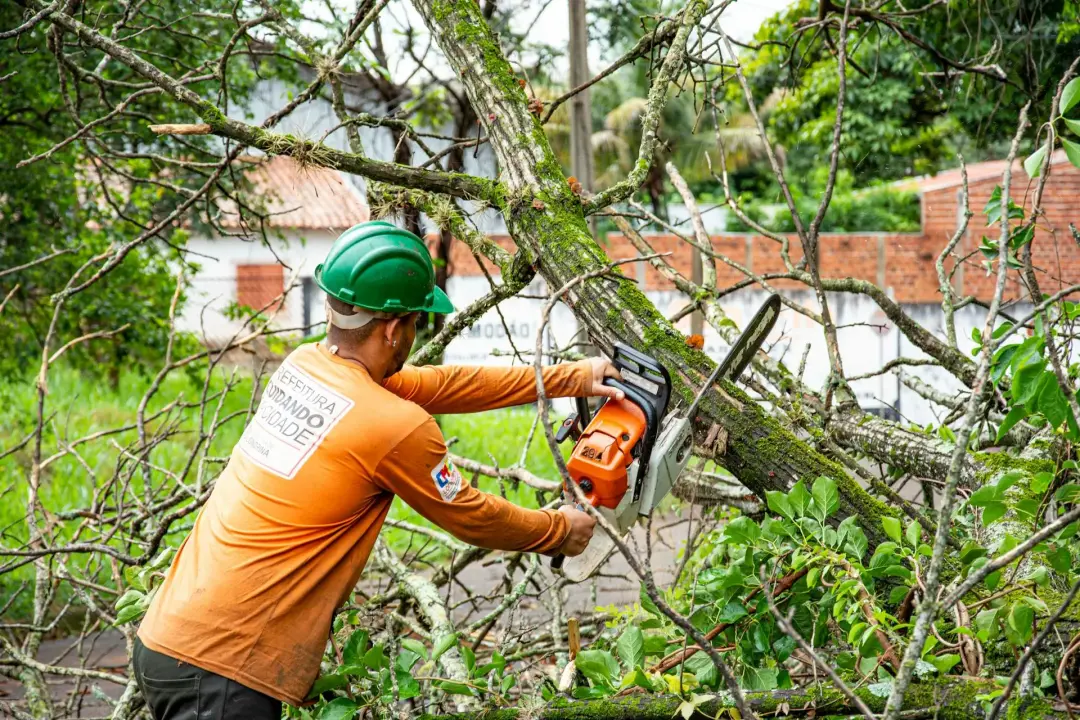
Other options should be considered where practical. Reducing access, moving a bench or changing the route of a path may allow a tree to remain. However, these measures must be realistic and maintained over time. A barrier that is regularly moved or ignored may not provide reliable protection.
Before removal, the school should check whether the tree is protected by planning controls or other legal rules. Permission may be required, except in certain urgent situations. Wildlife checks may also be necessary.
Planning Tree Work Around School Hours
Where possible, major work should take place outside normal school hours. School holidays, weekends or planned closure days may provide the safest opportunity. However, urgent work cannot always wait. In these cases, the affected area should be closed securely, and pupil movements should be changed.
The contractor and school should agree the working area before work begins. This should include access routes, equipment storage, vehicle movements and the space needed for branches to be lowered safely. The contractor may require a larger exclusion area than staff expect.
Arrival and collection times need particular attention. Parents, carers, buses and delivery vehicles may increase activity around entrances. Tree work near these areas should be stopped or carefully controlled during busy periods.
Noise may affect lessons, meetings and pupils with additional needs. The school should consider examination periods, outdoor activities and quiet spaces when agreeing the schedule. Staff should receive clear notice of changes to routes or access.
Working With a Qualified Tree Surgeon
A qualified tree surgeon has the training, equipment and practical experience needed to carry out tree work safely. Choosing a suitable contractor is important because poor work can harm the tree, create new hazards and place people at risk.
Schools should ask contractors about their qualifications, experience and insurance. The contractor should be able to provide evidence of public liability cover and suitable cover for employees. They should also have training for the equipment and work methods they intend to use.
A written quotation should explain what work will be completed. It should identify the trees, describe the type of pruning or removal and state how waste will be managed. Vague instructions such as “cut back the trees” may lead to unnecessary or damaging work.
Before starting, the contractor should provide suitable safety information. This may include a risk assessment, work method and arrangements for controlling access. The school should explain site rules, safeguarding needs, emergency procedures and any known underground or overhead services.
Keeping Records of Tree Inspections and Work
A tree record should include a clear location or identification number. A simple site plan can help staff and contractors find the correct tree. Records may also include the species, approximate size, photographs and important features.
Inspection notes should state the date, name of the person completing the check and type of inspection carried out. Any defects should be described clearly. The record should avoid uncertain statements presented as facts. Where professional advice is needed, this should be noted.
Actions should include a priority and target date. For example, an urgent hanging branch may require immediate control of access and rapid contractor attendance. A minor issue may only require monitoring during the next planned inspection.
Work records should include quotations, permissions, contractor details and completion dates. Photographs taken before and after the work can provide useful evidence. Reports from tree consultants and tree surgeons should be stored with the relevant tree entry.
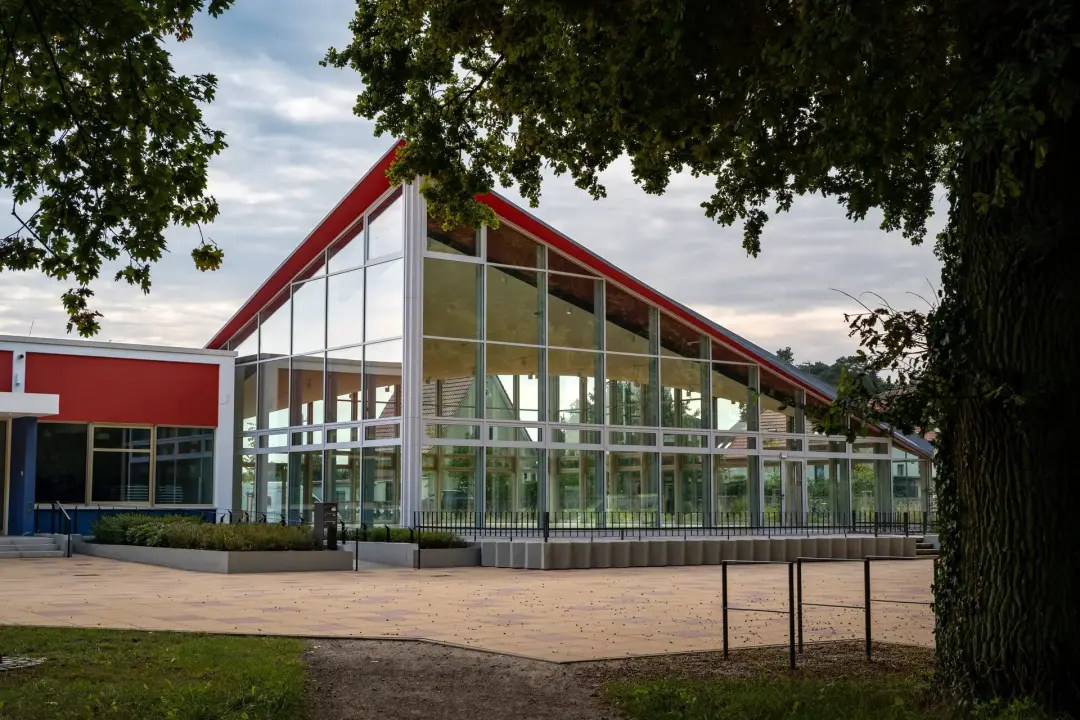
The system does not need to be complicated. It may be a secure spreadsheet, specialist tree management system or organised set of digital files. What matters is that records are accurate, easy to update and available to the appropriate staff.
Responsibility for maintaining the records should be clear. When staff change roles, the information should be handed over properly. Reliable records support better decisions and reduce the risk of important recommendations being forgotten.
Creating a Long-Term Tree Management Plan
The plan should begin with an up-to-date record of the trees on the site. Larger schools may need a detailed survey, while smaller sites may use a simpler numbered plan. Trees in higher-use areas should be clearly identified because they may require more frequent attention.
Inspection arrangements should be set out in the plan. This should include routine staff observations, professional inspections and checks after severe weather. The frequency may vary according to tree condition, location and level of use.
The plan should also include expected maintenance. This could cover deadwood removal, clearance from buildings, management of young trees and replacement planting. Work should be prioritised so that urgent safety issues are handled first.
Budgeting is easier when likely work is identified in advance. The school can spread costs over several years rather than facing repeated unexpected bills. A reserve amount may also be needed for storm damage or emergency call-outs.
Future planting should consider available space, soil, nearby structures and the mature size of each species. Planting the right tree in the right place reduces later conflict with paths, roofs and services.
At Tom Harnden Professional Tree Surgeons, you'll find a whole host of tree surgery-related services to help preserve your outdoor spaces and keep them in the best possible condition. We offer tree care for Malvern, Ledbury and Worcester. Give our talented arborist a call today!